ENEA Atlas for development cooperation
Italian National Agency for New Technologies, Energy and Sustainable Economic Development


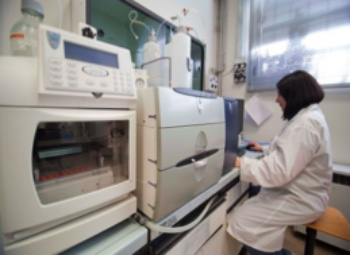
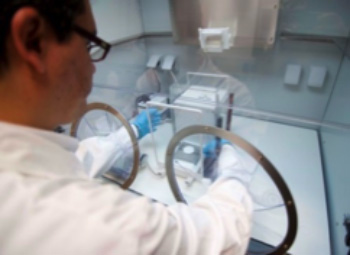
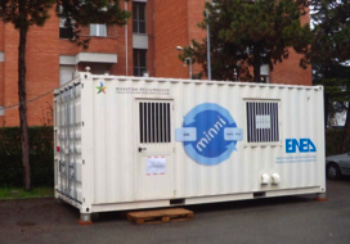
In several developing countries air pollution is an ever critical issue. ENEA makes available systems for the chemico-physical analysis of particulate matter, based on sampling and lab analyses (off-line) and portable monitors (on-line). These systems also allow to identify emission sources, urban and rural, through multivariate statistical analysis (PMF) techniques; chemico-physical data so collected can also be used to assess the potential impact of particulate matter on human health through in-vitro biological models.
ENEA participated in several national and European projects. It also provided technical and scientific consulting and support to set up a national network for air quality monitoring in Lebanon, in the framework of the activities stipulated in the 2013 Agreement with the Italian Ministry of Foreign Affairs and International Cooperation – Directorate General for Development Cooperation (MAECI-DGCS) aimed at providing technical and scientific support to the Lebanese Ministry of the Environment.